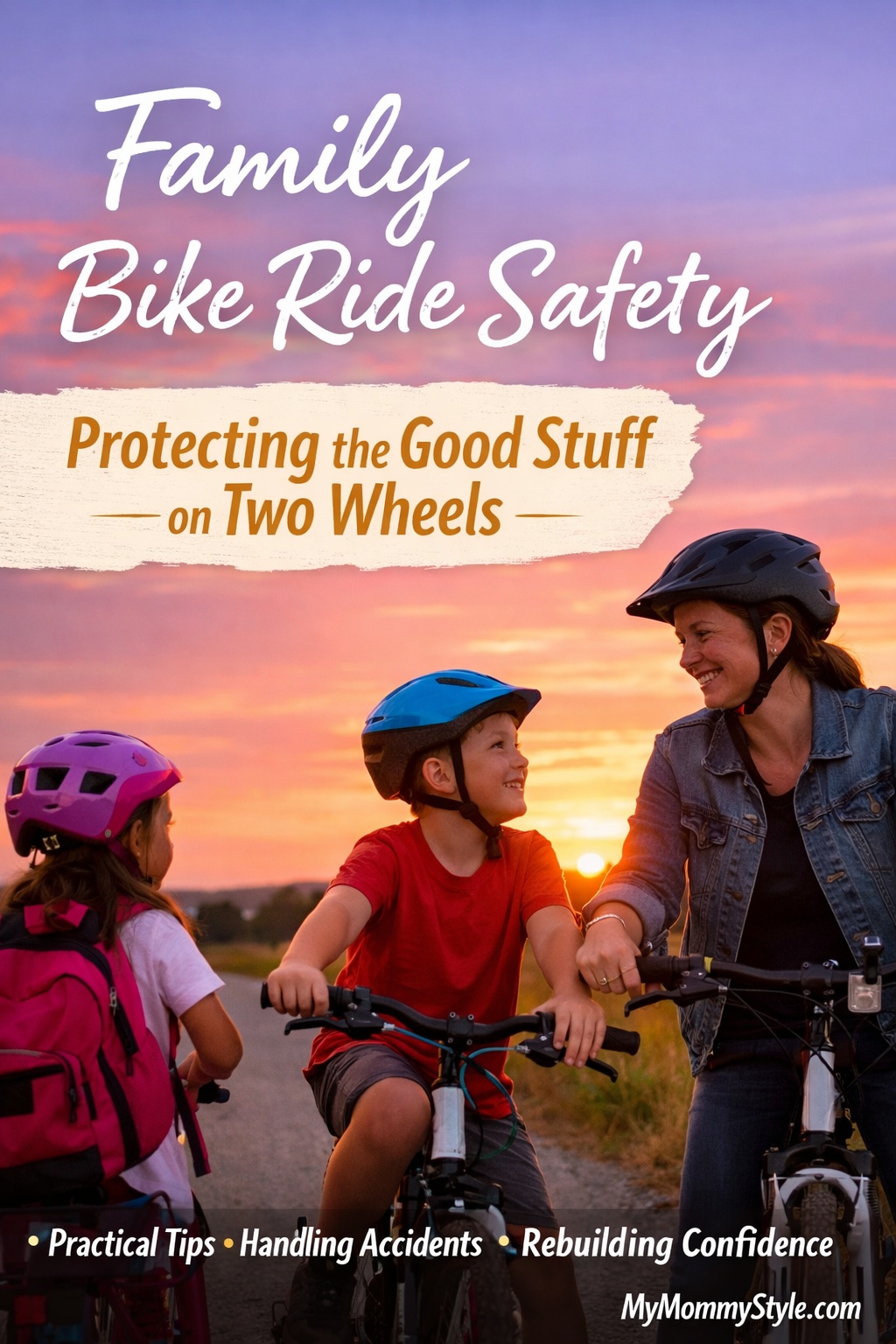
There’s something about a family bike ride at the end of the day that feels like life in its best shape. The air softens, the pace slows, and for a little while nobody is rushing to the next thing. These are the moments we want more of—but they also remind us why family bike ride safety matters. It’s not about overthinking every detail. It’s about protecting the simple, meaningful experiences that make family life feel full, while still feeling confident enough to keep saying yes to them.
.jpg)
That’s what I think about when I think about protecting the good stuff. It starts with the obvious things, like checking tires and buckling helmets, but it also runs deeper than that. It shows up in the choices we make before a ride, the calm we try to hold onto when something goes sideways, and the way we look after our families when an ordinary outing suddenly feels anything but ordinary.
For most of us, the goal is simple. We want to keep saying yes to the moments that make family life feel full, while being honest about what it takes to keep them safe.
What Protecting the Good Stuff Looks Like Before a Ride Begins
Before we even leave the driveway, there are a few quiet choices that shape the whole ride. I’m not talking about turning family time into a military operation. I mean the small habits that help everything feel lighter once we’re moving. A quick tire check, helmets that actually fit, lights that still work, water bottles that made it into the basket, and a route that matches the energy level of the kids you’re riding with all matter more than they seem to in the moment.
I’ve learned that protecting the good stuff often looks ordinary. It looks like slowing down long enough to notice whether someone is overtired, distracted, or already one meltdown away from calling it a night. It looks like reminding kids where to stop, when to wait, and how to stay aware without making the whole ride feel tense. Most family routines are built in little layers like that. They don’t ask for much, but they make everything steadier.
It also helps to accept that every ride won’t look the same. Some evenings are made for long loops and extra laughter. Others call for a shorter route, a slower pace, and lower expectations. There’s wisdom in not forcing the perfect version of family time. Paying attention to what the day feels like is part of protecting it.
When an Ordinary Ride Changes in a Second
That’s the part no parent likes to picture, and it usually happens fast. One second, everyone is in motion, and the ride feels easy. The next, there’s a sharp stop, a missed signal, a car too close, or a child on the ground looking stunned and scared. Even a minor crash can change the mood in an instant. A more serious one can leave the whole family shaken long after the ride is over.
Moments like that scramble everything at once. You’re checking for injuries, trying to stay calm for your kids, replaying what happened, and making decisions before you’ve even had a chance to process the shock. That’s why preparation matters, but so does mindset. Protecting the good stuff doesn’t mean pretending accidents never happen. It means meeting a hard moment with as much calm and clarity as you can.
There’s also something deeply unsettling about how ordinary it can all feel right up until it doesn’t. Family bike rides are supposed to feel simple. When that sense of ease breaks, parents often find themselves carrying both the practical side of the moment and the emotional weight of it at the same time.
The First Things Parents May Need to Handle After a Crash
In the first few minutes after a bike accident, everything can feel loud and scattered. Kids may be crying, adrenaline is high, and even small decisions can feel harder than they should. That’s why it helps to come back to the basics. Check for injuries first. Take a breath. Get medical help if anyone seems seriously hurt, disoriented, or in more pain than they can explain clearly. Long before a crash ever happens, many families build confidence around helmet fit and visibility basics, and that kind of preparation can make a stressful moment feel a little less chaotic.
Once the immediate panic settles, the practical details start to matter. Parents may need to gather names, take a few photos, keep track of where the accident happened, and make a note of anything that felt confusing in the moment. It can all seem excessive when everyone is shaken up, but memory has a way of getting fuzzy later. Small details are much harder to piece together after the fact.
The hours that follow can matter just as much as the accident itself. Some symptoms don’t fully show up right away, and kids may not always have the words to explain what feels off. A scraped knee is easy to spot. A headache, soreness, fear, or unusual quiet can take longer to surface. That early window often becomes less about fixing everything at once and more about paying close attention to what your family needs next.
The Part People Don’t Always See: Paperwork, Stress, and Decisions
What lingers after a crash is often less visible than the accident itself. The bruises are one part of it, but so are the follow-up appointments, the calls, the damaged bike, the helmet you know needs replacing, and the small routines that suddenly get thrown off. Family life doesn’t pause neatly while everyone catches up. Dinner still needs to happen. School mornings still come early. The emotional weight of the accident gets folded right into the middle of regular life.
That’s often when the stress shifts into something more complicated. Parents may find themselves trying to keep track of receipts, notes from appointments, missed activities, and conversations they didn’t expect to be having. Even when the situation seems straightforward at first, the practical side can start to feel much heavier a day or two later. The mental load grows quickly when you’re trying to care for your child and sort out details at the same time.
There’s also the question of what deserves more attention than people first assume. Sometimes the right next step is simple rest and recovery. Sometimes it means asking more questions, keeping better records, and making sure nothing important gets brushed aside while everyone is eager to move on. That kind of follow-through may not feel as meaningful as the ride itself, but it’s part of protecting what matters.
Why Place Can Shape the Questions That Come After
The hard part about a serious bike accident is that the aftermath rarely feels the same everywhere. A family dealing with a crash in a dense city like Chicago may be thinking about traffic, witnesses, intersections, and the pace of everything around them. In a nearby state like Wisconsin or Indiana, the setting may feel different even if the questions at home sound familiar. Other places like California or New York, families might be dealing with their own version of crowded roads, dense neighborhoods, or different day-to-day riding habits. In more spread-out parts of Texas or the Mountain West, distance alone can change how the next few hours unfold.
That difference in place can shape what kind of help feels useful. In Chicago, those questions can feel especially immediate because the pace, traffic, and density of the city often add another layer of stress after a serious crash. For some people, the hardest part comes after the crash itself, when missed work, follow-up care, and unanswered questions start piling up, leading them to seek out a cyclist accident lawyer Chicago residents may turn to while trying to steady daily life again.
Even when the emotional side of a crash feels universal, the practical side can feel more local. That’s often where parents start to realize that protecting their family after an accident may call for support that fits the place, not just the problem.
Holding Onto the Joy After Something Scary
A hard experience can change the feeling around something a family used to love. After a bike accident, even a simple ride around the block may carry a little more hesitation than it did before. Parents may feel it. Kids may feel it. Sometimes that caution fades quickly, and sometimes it stays longer than anyone expected.
There’s no perfect timeline for getting that confidence back. Some families need a break before they feel ready to ride again. Some start small with a shorter route, a quieter street, or a slower pace that helps everyone settle into the experience again. What matters most is giving that return the same care and honesty you’d give any other part of family life that has been shaken up.
Getting back to those evening rides may look different for a while, but returning to simple family bike ride safety habits can help everyone rebuild confidence at a pace that feels manageable.
Protecting the good stuff has never meant pretending hard things won’t happen. It means paying attention to what matters enough to care for it well. The sunset rides, the laughter, the small routines, and the freedom of being out together still matter. They just become part of a fuller picture, one that holds both joy and the effort it takes to keep making room for it.
How can families stay safe on bike rides with kids?
Start with the basics: properly fitted helmets, working bike lights, and a route that matches your child’s ability level. Teaching kids when to stop, stay aware, and ride predictably also helps create a safer experience.
What should parents do immediately after a bike accident?
Check for injuries first and seek medical help if needed. Stay calm, comfort your child, and gather important details like photos, location, and any relevant information about what happened.
Are family bike rides safe for young children?
Yes, when proper precautions are taken. Choosing low-traffic routes, supervising closely, and ensuring safety gear is used correctly can make biking a safe and enjoyable activity for kids.
How do you rebuild confidence after a bike accident?
Start small. Try shorter rides on quieter streets and allow everyone to move at their own pace. Confidence returns over time when children feel safe and supported.
Why is preparation important before a family bike ride?
Simple habits like checking tires, bringing water, and choosing the right route can prevent stress and make the ride more enjoyable. Preparation helps families stay focused on connection instead of problems.
.jpg)
Transform family bike rides into a fun and safe adventure! Learn expert tips on choosing safe routes, ensuring proper safety gear, teaching road rules, and preparing for unexpected situations. Create cherished memories while keeping your loved ones protected.
Hello! I am Camille, a wife, mother of four, Disney obsessed, certified teacher, and believer in creating your best momlife the way you see fit. Motherhood comes with its ups and downs, my hope is you’ll find something here to make your life a little better/easier. Let’s be friends on social!