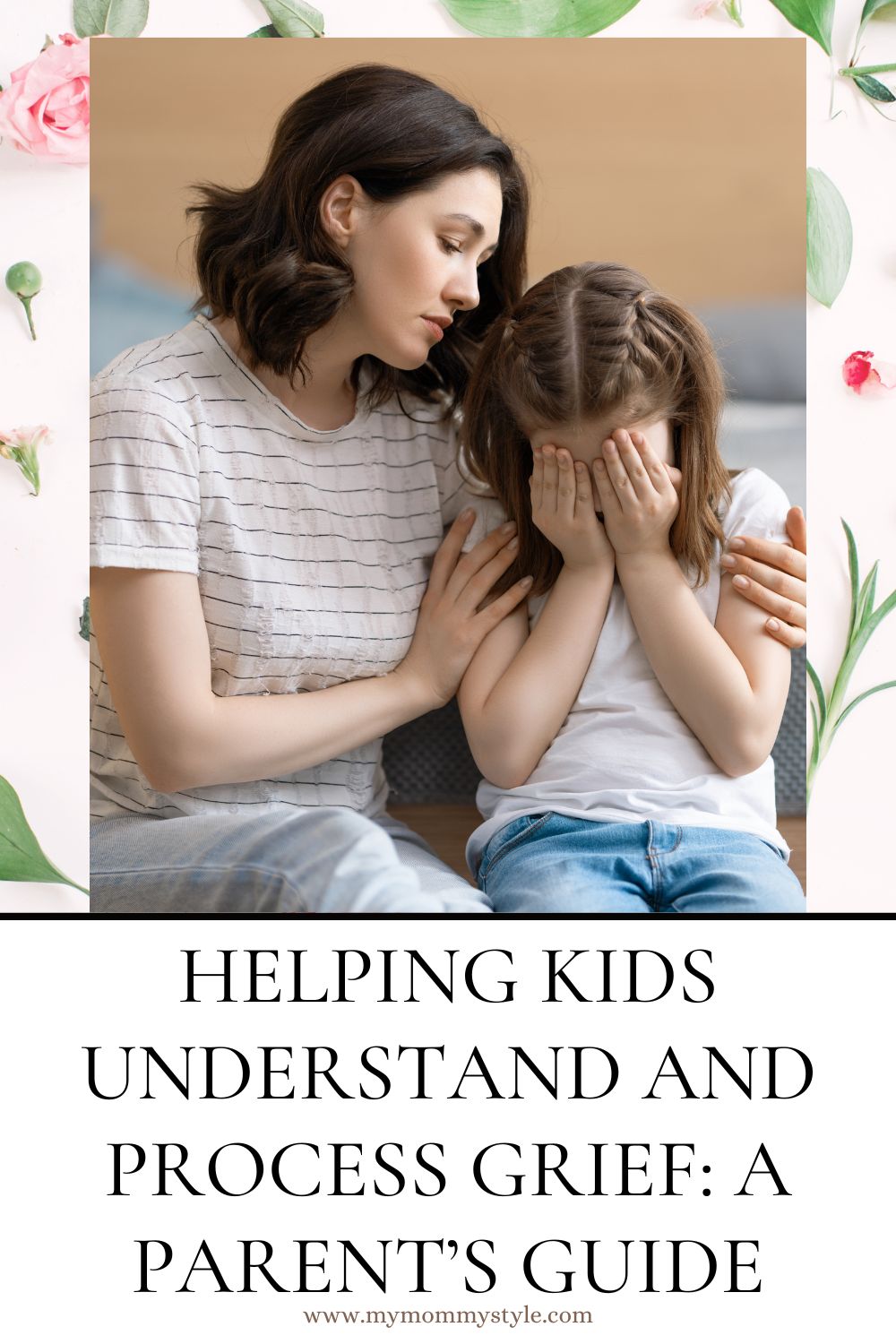

Grieving for a loved one is a deeply personal and challenging experience. While experiencing
grief is a natural response, it is also a necessary process that allows you to find a way to move
forward. If you have recently lost a loved one, this guide offers tips to help you cope with your
grief and prevent it from consuming your life.
.jpg)
Acknowledge and Accept Your Grief
Recognizing and accepting your grief is an important step. Let yourself feel all the emotions that
come with loss and avoid suppressing them. Cry or shout if you must, and don’t be afraid to
experience the pain. Accept your feelings, avoid labeling them, and don’t force yourself to feel a
certain way.
Seek Support and Connection
Support from friends, family, and support groups is invaluable during this difficult time. Sharing
your feelings and experiences with others can help ease your burden, provide comfort, and
allow you to process your grief. Helping children cope with loss can be a different process, making sure they get the support they need as well.
If you need help with daily practical tasks like meal preparation, childcare, or errands, don’t be
embarrassed to ask and accept help from well-meaning loved ones. Look for support groups
dedicated to grieving family members, as they can be a great source of support and assistance.
They may also be able to provide you with crucial advice, especially if you’re considering
pursuing legal steps to seek justice for your loved one’s passing. However, it is best to consult
with a lawyer to ensure you’re taking the right direction. If your loved one died from
mesothelioma, you and your family may be able to recover compensation through
mesothelioma settlements.
Prioritize Self-Care During Grief
Taking care of your physical and emotional well-being during this highly sensitive period is
crucial. Ensure you are getting enough rest, eating well, and engaging in self-care activities that
bring you joy. Avoid turning to alcohol or drugs to cope with grief, as these substances can
hinder your healing and recovery. If you’re struggling with your grief, don’t hesitate to seek
professional help from a counselor or therapist.
Remember and Honor Your Loved One
Finding ways to remember and honor the person you lost can provide solace. This could involve
creating a memorial, sharing stories, or continuing a tradition they cherished. Find meaning in
your loss by reflecting on what they meant to you and how they influenced your life.
Be Mindful of Painful Reminders
When grieving a loved one’s death, it is vital to acknowledge and prepare for painful reminders.
This can be birthdays, anniversaries, specific locations, situations, or memories that might
trigger intense emotions.
Since avoiding them may not be an option, you must be aware of these reminders and have
strategies in place to make your grieving process more manageable. Allow yourself to step back
or take breaks if needed. When triggered by a reminder, strive to concentrate on the present
moment.
While grief can be incredibly painful, it is also a testament to the love and connection shared
with the person who passed. Be patient and give yourself the time and space to mourn for your
loved one.
Frequently Asked Questions About Coping with Loss
1. How long does grief last?
There is no set timeline for grief—it’s a deeply personal process. For some, it may ease after months, while for others, it can take years. The key is to allow yourself to heal at your own pace.
2. Is it normal to feel numb after losing a loved one?
Yes, numbness is a common early reaction to loss. It’s your mind’s way of protecting you from overwhelming emotions until you’re ready to process them.
3. How can I honor the memory of someone I’ve lost?
You can create a memorial, plant a tree, share stories, or continue a tradition they loved. Acts of remembrance can help keep their memory alive.
4. Should I seek professional help for grief?
If your grief feels overwhelming or interferes with daily life for an extended period, a counselor or therapist can offer guidance and coping strategies.
5. How can I prepare for painful reminders like birthdays or anniversaries?
Plan ahead by deciding how you’ll spend those days—whether it’s with loved ones, in quiet reflection, or doing something meaningful in their honor.
You might also like:
.jpg)
Hello! I am Camille, a wife, mother of four, Disney obsessed, certified teacher, and believer in creating your best momlife the way you see fit. Motherhood comes with its ups and downs, my hope is you’ll find something here to make your life a little better/easier. Let’s be friends on social!