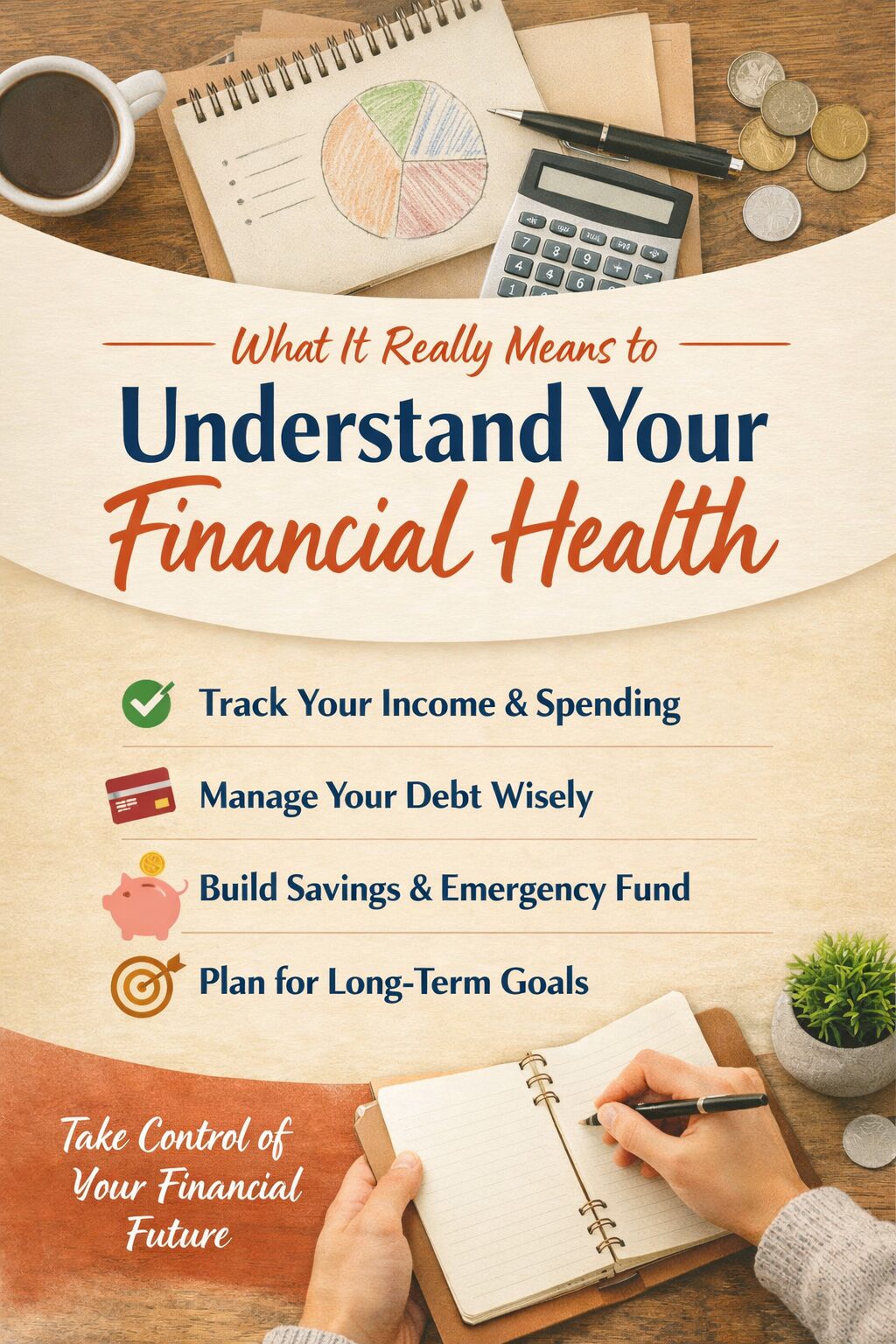

Life has a habit of biting you on the backside for no good reason. One minute you’re comfortably paying the bills, treating yourself to some of life’s little luxuries, and even saving a little bit of money for a rainy day. The next you find yourself dealing with things like a job loss, relationship breakdown, unexpected medical costs, or a major household repair. Manage money in tough times with these tips to help you during this difficult time.
.jpg)
When these situations happen, even those who practice good money management skills can be put under pressure. It’s understandable then that many people might look for personal finance advice online. Unfortunately, much of what is available tends to focus on ideal situations. They assume you have a steady income. Low and predictable monthly expenses. And plenty of time to plan ahead for the future.
However, real life is often much messier than that.
If you’re facing financial challenges, you’re certainly not the only one. According to a recent study by Real Insurance, some 69% of Australian households are struggling with financial stress. So how can you deal with it?
Here are the things no one tells you about how to manage money when your life gets messy.
Why Is It So Hard To Manage Money During Tough Times?
It can be incredibly hard to manage your money during difficult times because financial pressure often triggers or is triggered by emotional stress.
For instance, if you’re worried about your health, family, career, or relationships, then budgeting your finances can quickly fall down the priority list. At the same time, unexpected expenses often seem to appear out of nowhere. Car repairs, emergency dental work, or broken household appliances can all result in costs you weren’t prepared for.
Unfortunately, like buses, these things can all turn up at once, which is why many people experience financial hardship.
What Financial Mistakes Do People Often Make When They’re Stressed?
Financial stress can affect the way people think and act in various ways. For instance, one common mistake is to avoid the problem altogether. Sadly, ignoring bills, unopened letters, or overdrawn bank account balances often creates bigger issues later down the line.
Another mistake many people make is relying on emotional spending. Some spend money on feel-good purchases to relieve stress, which doesn’t help their financial situation. Others cut back on essentials, such as food and health-related services, because they’re afraid of running out of cash.
It’s also common for many to take on debt to provide themselves with short-term relief, without fully considering the repayment implications.
Which Expenses Should You Prioritise When Money Is Tight?
When money is limited, every dollar you spend becomes crucial. However, it is important to recognise that not every expense carries the same level of importance.
Some of the costs you should prioritise are the essentials like:
- Rent or mortgage repayments
- Electricity, water, and gas bills
- Groceries
- Essential transport costs
- Insurance
- Minimum debt repayments
These are essential to maintain because they support your daily life and, even if you don’t see it, your immediate financial stability.
If you want to limit your spending, the best way to do this is to reduce your discretionary spending. In particular, things like subscriptions, dining out, entertainment, or non-essential shopping.
How Can You Stay in Control When Unexpected Expenses Keep Appearing?
All of us are hit with unexpected expenses at some point. Depending on their value, they can be one of the biggest reasons people struggle financially.
While nobody can predict every emergency, it’s very sensible to build a financial buffer. Even setting aside a small amount between $10 and $200 each week for emergency expenses can quickly provide you with a nice little financial safety net.
It is also a good idea to track every dollar you spend. You’ll be amazed at how much money goes on your daily latte, lottery tickets, subscriptions you don’t use, and little treats. Most of the major banks have apps that can help you do this. If you know where your cash is going, you’ll be able to reduce and stay more in control of your spending.
What Options Are Available When You Need Financial Help?
If you’re facing financial challenges, the good news is that several forms of assistance may be available to you.
Depending on your circumstances, you might consider:
- Making hardship arrangements with existing mortgage providers
- Applying for rent assistance
- Setting up payment plans for utility bills
- Drawing upon support from community organisations
- Asking friends or family members for help
In some situations, you might feel comfortable exploring personal loan options with the big banks. However, if your credit score is less than perfect, you may be better off applying for bad credit loans from EBP Money, as the major lenders are unlikely to approve your application.
If you do decide to take out a loan, make sure you fully understand the repayment obligations and find a lender that offers the best interest rate.
What Happens If Your Credit Score Takes a Hit?
Your credit score is a personal financial rating between 0 and 1000 that lenders use to determine your creditworthiness. This influences your ability to secure loans and the interest rates you are offered.
Unfortunately, missed repayments, defaults, and other credit issues that result in financial hardship often arise when people face circumstances beyond their control. They can affect your credit score in ways that may take time to recover from, and many lenders aren’t willing to entertain the personal story behind the numbers.
Having a low credit score can make it harder for you to access certain financial products. It may also limit your options when you need support. If this is the case, it is important to remember that credit scores are not permanent. Therefore, by consistently paying your bills on time, reducing outstanding debt, managing your credit responsibly, and even closing your credit card account, you can gradually improve your financial health.
Frequently Asked Questions About Managing Money During Tough Times
How do I manage money when my income suddenly drops?
Start by focusing on necessities first, including housing, utilities, groceries, transportation, insurance, and minimum debt payments. Then review discretionary spending and identify areas where you can temporarily reduce expenses.
What should I do if I can’t pay my bills?
Contact providers immediately rather than waiting. Many utility companies, lenders, and service providers offer hardship programs, payment plans, or temporary relief options.
How much should I keep in an emergency fund?
Financial experts often recommend three to six months of essential expenses. However, even saving $10–$50 per week can create a meaningful emergency buffer over time.
Should I use a credit card for emergency expenses?
Credit cards can provide short-term flexibility, but it’s important to have a plan for repayment. High-interest debt can create additional financial stress if balances continue to grow.
How can I reduce financial stress as a parent?
Create a simple budget, focus on what you can control, communicate openly with your family, and seek support when needed. Small consistent actions often provide more peace of mind than trying to solve everything at once.
What are the first expenses to cut when money is tight?
Look at subscriptions, dining out, entertainment expenses, impulse purchases, and unused memberships before reducing essential expenses like food, healthcare, or insurance.
How can I teach my children about money during difficult financial times?
Use age-appropriate conversations to explain budgeting, saving, and prioritizing needs over wants. Involving children in simple financial decisions can help build healthy money habits for the future.
Can financial hardship affect mental health?
Yes. Financial stress is closely linked to anxiety, overwhelm, sleep issues, and relationship strain. Seeking support from trusted friends, family, financial counselors, or mental health professionals can be beneficial.
Hello! I am Camille, a wife, mother of four, Disney obsessed, certified teacher, and believer in creating your best momlife the way you see fit. Motherhood comes with its ups and downs, my hope is you’ll find something here to make your life a little better/easier. Let’s be friends on social!