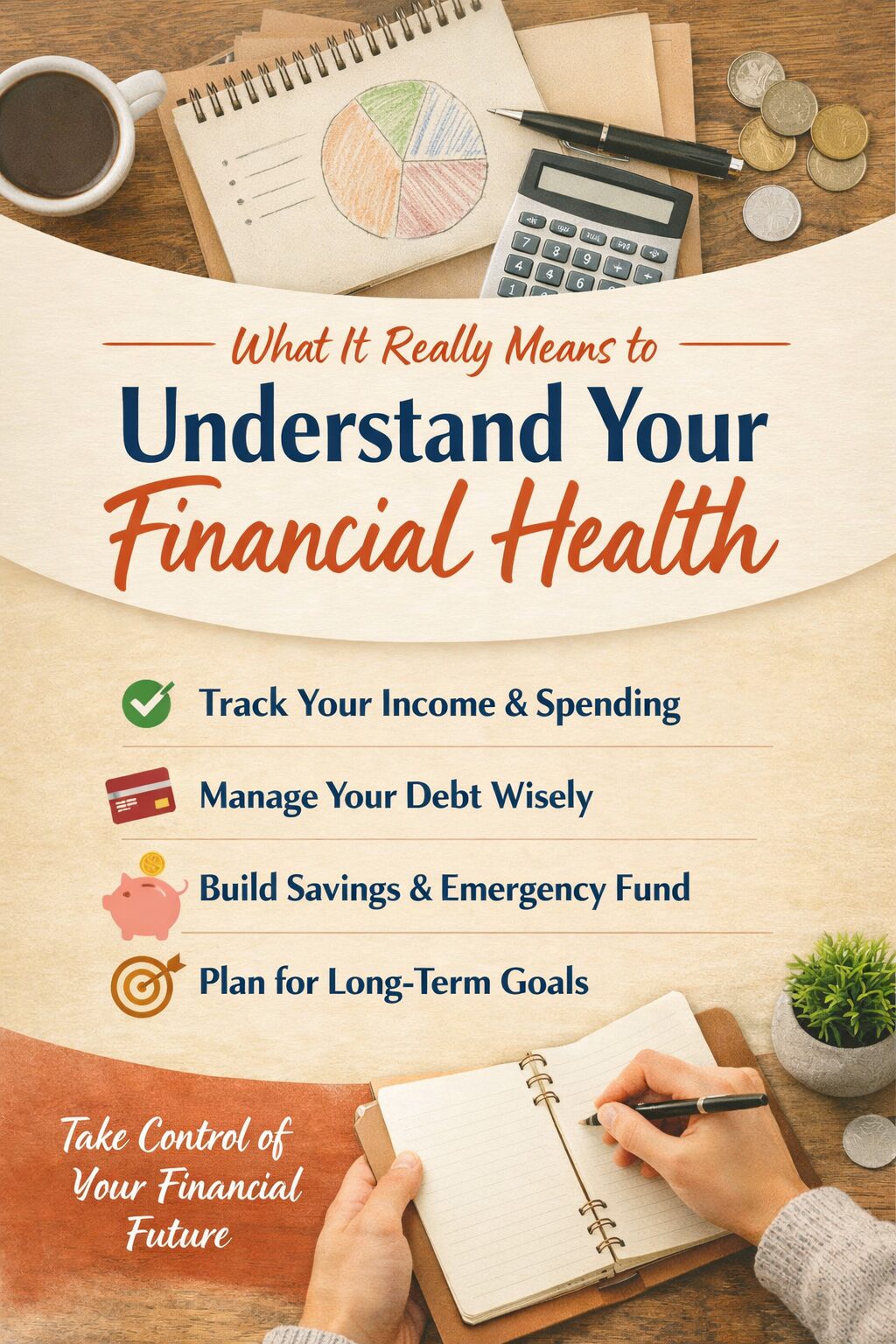

We all know that building financial security is important, but when you’re in your 30s or 40s, it can feel like there’s so much to figure out. You’re juggling bills, career ambitions, and maybe even family responsibilities, all while trying to save for the future. It’s easy to get overwhelmed, but here’s the truth: the decisions you make now will set you up for long-term financial stability. And trust me, you don’t need to be a finance guru to make smart moves. You just need to know the right steps to take.
So, let’s break it down. How can you build financial security in your 30s and 40s without feeling like you’re drowning in decisions? Let’s go over the steps that will help you secure your financial future.
.jpg)
1. Understanding Your Financial Priorities in Your 30s and 40s
First things first: let’s assess where you’re at. Are you on track to reach your financial goals? Do you know where your money is going each month? Are you creating budget friendly meals?
This is a crucial step. In your 30s and 40s, you need to focus on some key priorities: saving for retirement, paying off debt, and making sure your money works for you. It’s not about getting rich overnight; it’s about building a solid foundation that will set you up for financial freedom down the road.
So, take a moment to really understand your financial landscape. Look at your spending habits. Are there areas where you could cut back? Are there savings goals you haven’t quite hit? Understanding where you stand today will make it a lot easier to plan for tomorrow.
2. Building a Solid Emergency Fund
You’ve heard it before, but it’s worth repeating: life happens. Cars break down. Medical bills come out of nowhere. You lose your job unexpectedly. That’s why an emergency fund is essential.
The goal is to save 3 to 6 months’ worth of expenses. It might sound like a big number, but it’s worth working toward. Start small. Set aside a little each month, and before you know it, you’ll have a financial cushion to fall back on when the unexpected happens.
Think about it: would you feel more secure knowing that you’ve got the funds to handle a job loss or an emergency? Or would you rather be stressing out every time something goes wrong? An emergency fund gives you peace of mind and keeps you from derailing your financial plan when life throws a curveball.
3. Diversifying Your Income Streams
Let’s say you’ve got a solid job, but you want more. More freedom, more security, more ways to grow your wealth. That’s where diversifying your income comes in.
Multiple income streams, whether it’s a side hustle, freelance work, or investments, help you build financial security faster. And let’s face it, relying on one income stream is risky. Having a side hustle or starting a small business can bring in extra money, and it might even evolve into something bigger.
But it’s not all about active work. If you’re looking for the best ways to make passive income, there are plenty of options to explore. Things like dividend stocks, real estate investments, or even monetizing a blog can generate income without requiring your constant attention. These passive income streams provide a great opportunity to build wealth on the side, and the best part is, they’re often low-maintenance once they’re set up.
Think about it: how much more secure would you feel knowing that your job isn’t the only thing keeping you afloat? By creating other income sources, you’re adding layers to your financial security. Whether it’s starting a blog, selling digital products, or offering a service, find something that works for you.
4. Tackling Debt: Pay Off or Strategize?
Debt is one of those things that can hang over your head and slow down your progress. Credit card debt, student loans, mortgages—these things can pile up and leave you feeling stuck. So, how do you get out of it?
Start by tackling the high-interest debt first. That usually means credit card debt. Credit cards can be a real money drain, so paying them off quickly should be a priority. Once that’s under control, focus on other debts, like student loans or a mortgage. It’s all about strategic prioritization.
And here’s a little pro tip: if you’re struggling with large debts, consider refinancing or consolidating to lower your interest rates. This can free up some cash flow, which you can then put toward other goals, like investing or saving for the future.
The real question is: do you want to stay in debt forever, or do you want to break free and start building wealth? Paying off debt isn’t always fun, but it’s one of the smartest moves you can make to secure your financial future.
5. Investing for the Future: Get Started Early
Now that you’ve got your debt under control and your emergency fund growing, it’s time to think about investing for the future. And here’s the best part: the earlier you start, the better. The power of compound interest is real, and it’s on your side.
If you haven’t already, set up a retirement account, like a 401(k) or IRA. Contribute regularly—automate it if you can—so that you’re consistently putting money toward your future. The key here is consistency, not perfection. You don’t have to have a huge amount of money to start. Just start, and let your money grow over time.
Beyond traditional retirement savings, there are also other investment options to consider, like dividend-paying stocks or mutual funds, which allow your money to work for you with minimal effort. These investments can provide steady returns over time and set you up for long-term financial success. The key to making the most of your investments is to start early, stay consistent, and allow your wealth to grow organically.
6. Planning for Retirement: Start Early, Stay Consistent
Retirement might feel like it’s forever away, but trust me, it’s not. The earlier you start contributing to retirement accounts, the better off you’ll be. Every dollar you put away now will grow exponentially over time.
If you’ve got access to a 401(k), take advantage of it, especially if your employer offers a match. That’s free money, and you’d be crazy not to use it.
Don’t have a 401(k)? No worries—set up an IRA and start contributing there. Even small, consistent contributions can add up to a big nest egg down the road. The key is starting early and staying consistent. Time is your friend here, so the sooner you begin, the better your retirement will look.
7. Protecting Your Financial Future: Insurance and Estate Planning
You’ve got your finances in order, but what happens if something unexpected happens to you? That’s where insurance and estate planning come in.
Having the right insurance (life, health, disability) protects you and your family. And while we’re on the topic of protection, do you have a will? If not, it’s time to think about creating one. Estate planning is crucial for ensuring that your loved ones are taken care of, no matter what happens.
It’s not the most fun topic, but it’s necessary. Insurance and estate planning give you peace of mind knowing that your financial future is protected, even when life takes unexpected turns.
8. Continual Learning and Adapting Your Strategy
The financial world is always changing. That’s why it’s important to keep learning and adapting your strategy as needed. Whether it’s reading books, listening to podcasts, or talking to a financial advisor, staying informed will help you make smarter decisions.
Revisit your financial plan regularly. If something’s not working, tweak it. Maybe you need to increase your savings rate or explore new investment opportunities. The key is to stay flexible and keep adjusting as you go.
Conclusion
Building financial security in your 30s and 40s doesn’t have to be overwhelming. It’s all about taking small, smart steps: setting priorities, tackling debt, investing early, diversifying income, and planning for the future. It won’t happen overnight, but with consistency and the right strategies, you’ll be on your way to a financially secure future.
Start now. Your future self will thank you.
FAQ’s for How to Build Financial Security in Your 30’s and 40’s.
Q1: Why is building financial security in your 30s and 40s so important?
A: These years are crucial because you’re often balancing career growth, family responsibilities, and long-term goals like retirement. The choices you make now will compound and set the foundation for financial freedom.
Q2: How much should I have in my emergency fund by my 30s or 40s?
A: Aim for 3 to 6 months’ worth of essential living expenses. This cushion protects you from job loss, medical emergencies, or unexpected costs without going into debt.
Q3: Should I focus on paying off debt or investing first?
A: Prioritize paying off high-interest debt, like credit cards, before heavily investing. Once that’s under control, you can balance debt repayment with retirement contributions and other investments.
Q4: What’s the best way to diversify income in my 30s and 40s?
A: Start with side hustles, freelance work, or small businesses, and explore passive income opportunities like dividend stocks, real estate, or digital products. Diversifying reduces reliance on one income stream.
Q5: How much should I be saving for retirement in my 30s and 40s?
A: Financial experts often recommend saving 15–20% of your income for retirement. If your employer offers a 401(k) match, take full advantage—it’s essentially free money.
Q6: Do I really need insurance and estate planning in my 30s and 40s?
A: Yes. Life, health, and disability insurance protect your family from financial hardship. Estate planning ensures your assets and wishes are handled properly, giving peace of mind for the future.
.jpg)
Hello! I am Camille, a wife, mother of four, Disney obsessed, certified teacher, and believer in creating your best momlife the way you see fit. Motherhood comes with its ups and downs, my hope is you’ll find something here to make your life a little better/easier. Let’s be friends on social!